RedGroundDarkFire
Red Ground, Dark Fire

A Chronicle from Seed to sale
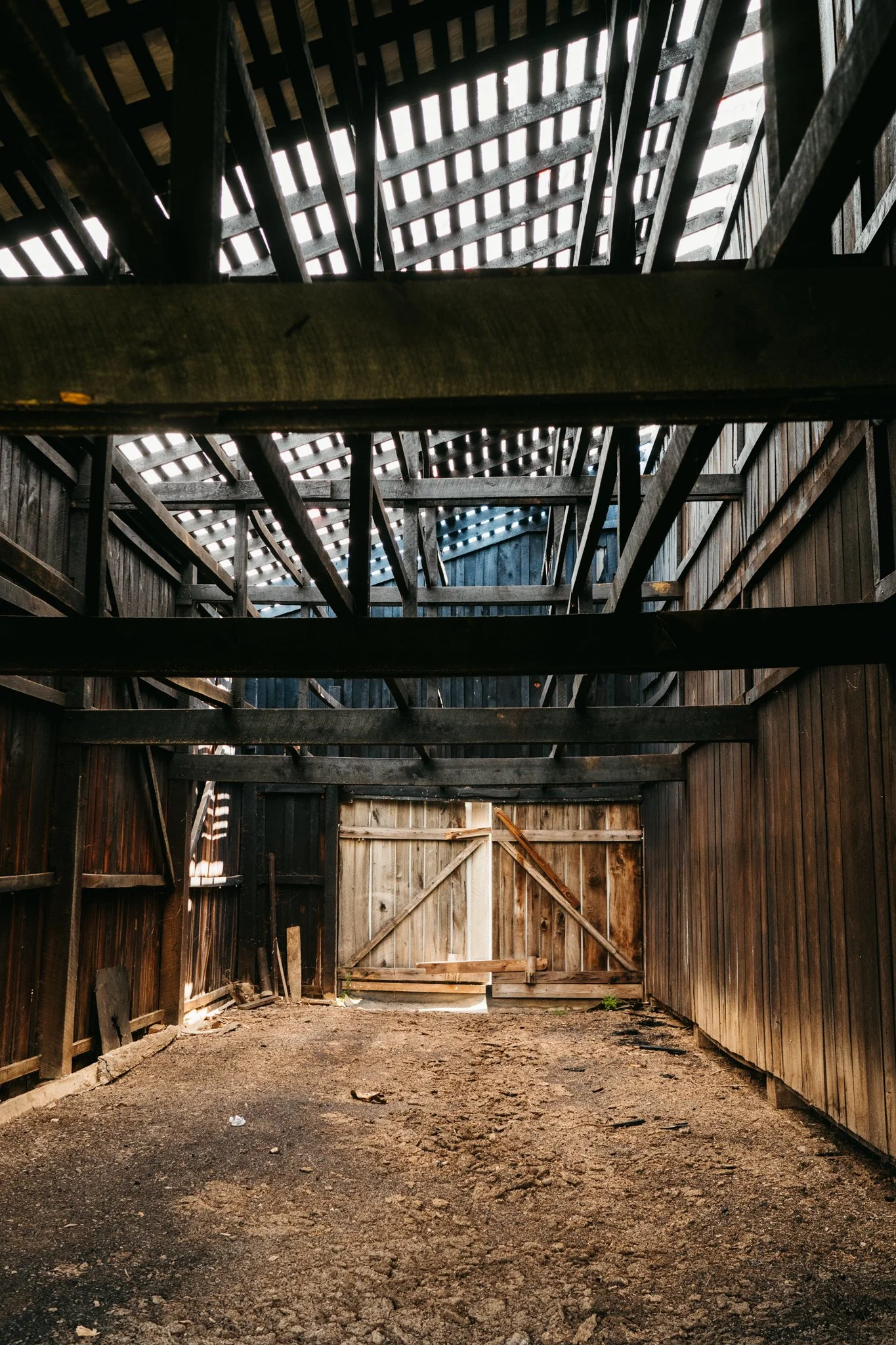
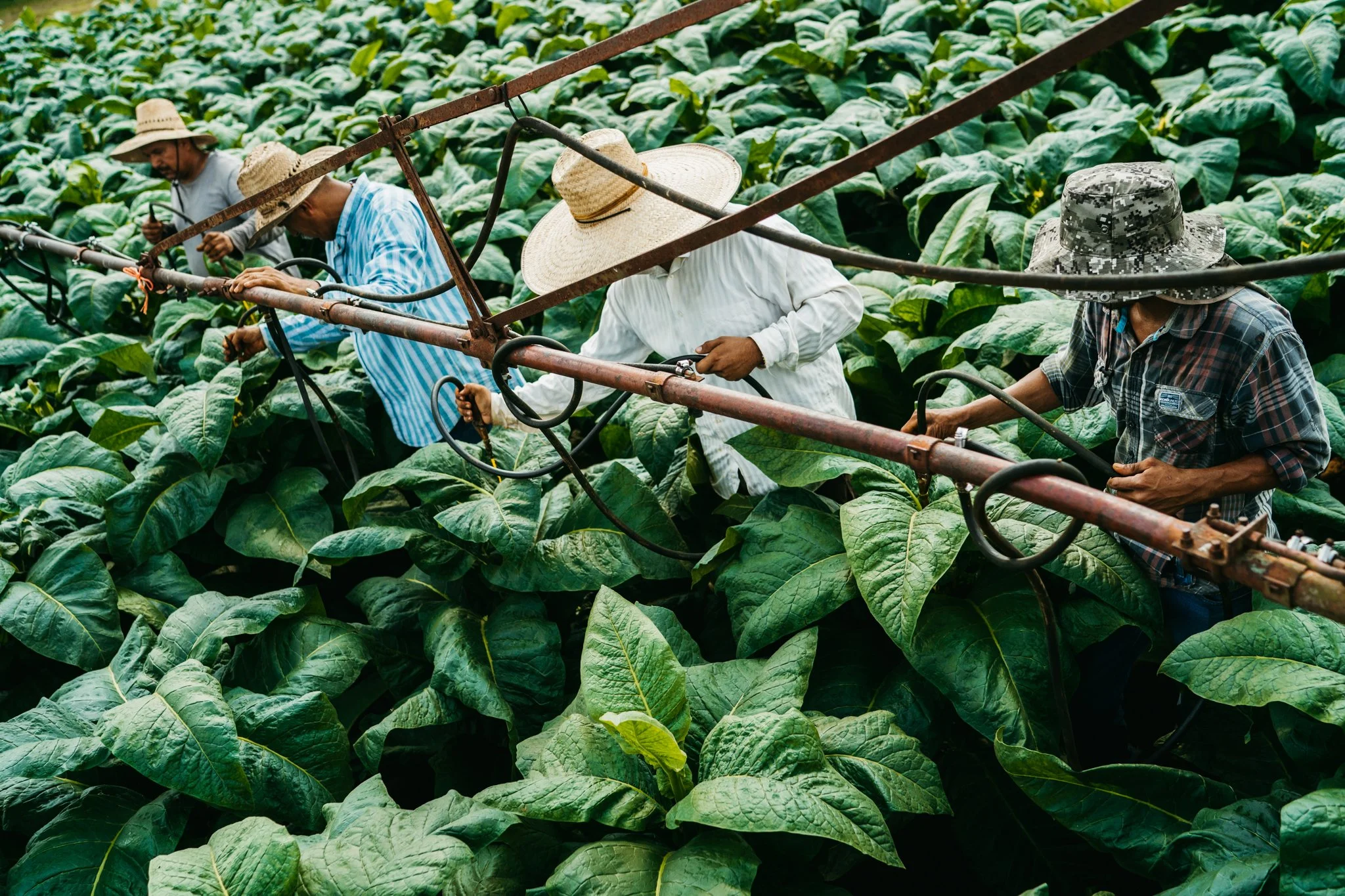
Red Ground, Dark Fire an 8 month long storytelling project by Cari Griffith, chronicling the tobacco growing process from seed to sale. Set in the fields of farmer Winston Gill, the images document the seasonal changes of one field on Hwy 79 in rural Kentucky. The project highlights the enduring legacy of family farming, the skilled labor of immigrant workers, and touches on the profound impact that land has on all of us.
The Gills learned to walk amidst the rows of towering tobacco, with Winston driving tractors long before his head reached the top of the steering wheel. (Insert a great story about a neighbor calling his mother thinking the tractor was out in the field driving itself.) The Gill family experiences, land, and legacy are an indispensable function of the farming ecosystem in Allensville, Kentucky. The project is just as much about the agricultural processes of growing a crop as it is the shared memory of land. The collective stories carried by a piece of ground can endure for generations, even as it passes on to new owners, or is sold for different purposes. We always return to sentimental places, as the siren song of heritage calls to our hearts. An ancient theme as old as time, spurring pilgrimages, devotion, and identity across all of history, the importance of places can carry all of our stories at once. Just as whales will return to the place of their birth after a thousand mile journey, land holds a magnet to our spirits with endurance and fervor.
Nestled in the Western arm of the tobacco belt, unique weather patterns and nutrient-rich soil create the perfect environment for Dark Fire tobacco growing, making this land agriculturally significant and productive. An ever-shifting merry go round of crops rotate through the fields of local farmers, and the production roles circle through the entire community at one point or another. Dark green leafed tobacco plants stick out amongst the corn and soybean and tobacco continues growing while other crops are harvested and replanted several times over in the surrounding fields.
Tobacco is a socially complicated and historically controversial crop, being one of the few that are grown not for fiber, food, or fuel, but purely for recreational consumption. The specific crop featured in this series is Dark Fire-Cured Tobacco, which is smoke cured in barns to give it the trademark name and flavor. Tobacco growing has almost entirely reached its ceiling of mechanization, using tractors and curing systems that have been largely unchanged in recent history. It is a tough but tender crop, and unlike corn or cotton, it requires almost every aspect of production to be touched by human hands. Men are physically and rigorously involved in every step of the growing process. Several of the workers pictured, especially Miguel and Pedro, have been working on the Gill farm for almost two decades. Miguel brought his son to work on the farm for this first time the year these images were taken. Seasonal farming would not be possible without the skilled labor of immigrant workers and their toil is representative of the endurance of the human body. In early May they they make their way from the West Coast of Mexico to settle into their seasonal home in rural Kentucky until late December. The workers consented to being a part of the project, and invested in the process, despite the grueling heat wave and drought conditions.
The series follows the entire Tobacco growing process, and is broken up into 4 distinct steps as you walk through the gallery.
Setting & Cultivating
Topping & Oiling
Cutting & Putting Up
Curing & Smoking